Unlocking Success: Innovative E-Learning Tools for Engaged Scholars
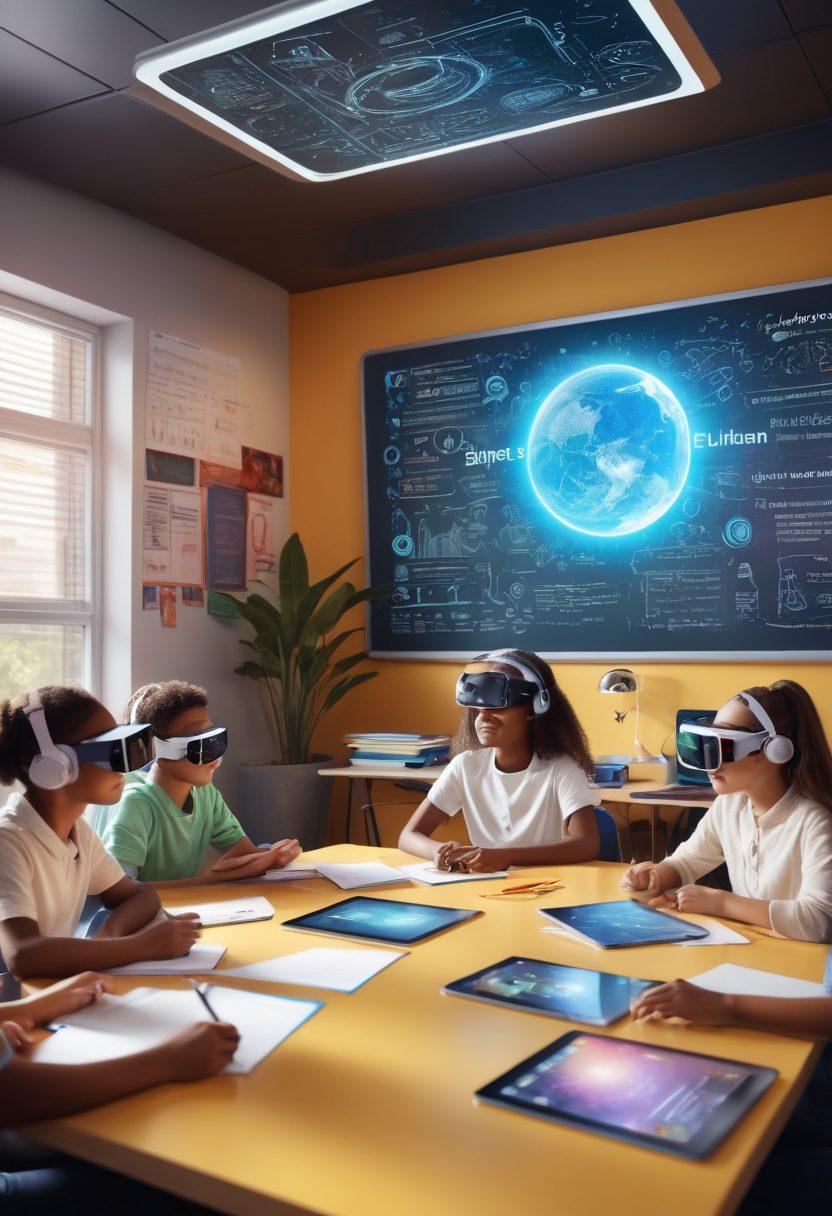
In the evolving landscape of education, the very fabric of how we impart knowledge is undergoing a seismic shift. E-learning tools are like the wind beneath the wings of ambitious scholars, propelling them into a realm of interactive learning and engagement that was once unimaginable. Imagine a classroom where educational resources are just a click away, where students can access revision materials and coursework from the comfort of their homes. Isn’t it exciting to think about how these innovations are revolutionizing education?
When we talk about student engagement, we’re really discussing the heartbeat of academia. According to renowned educational researcher John Hattie, 'What works best in education is the intentional focus on the learner,' and that’s precisely where e-learning tools come into play. Gone are the days when engagement could be measured through mere attendance; now, it’s about fostering a genuine interest in classes and facilitating a rich educational experience that aligns with the students' long-term academic goals. This is where innovative e-learning tools become indispensable in nurturing scholarly curiosity and motivating learners.
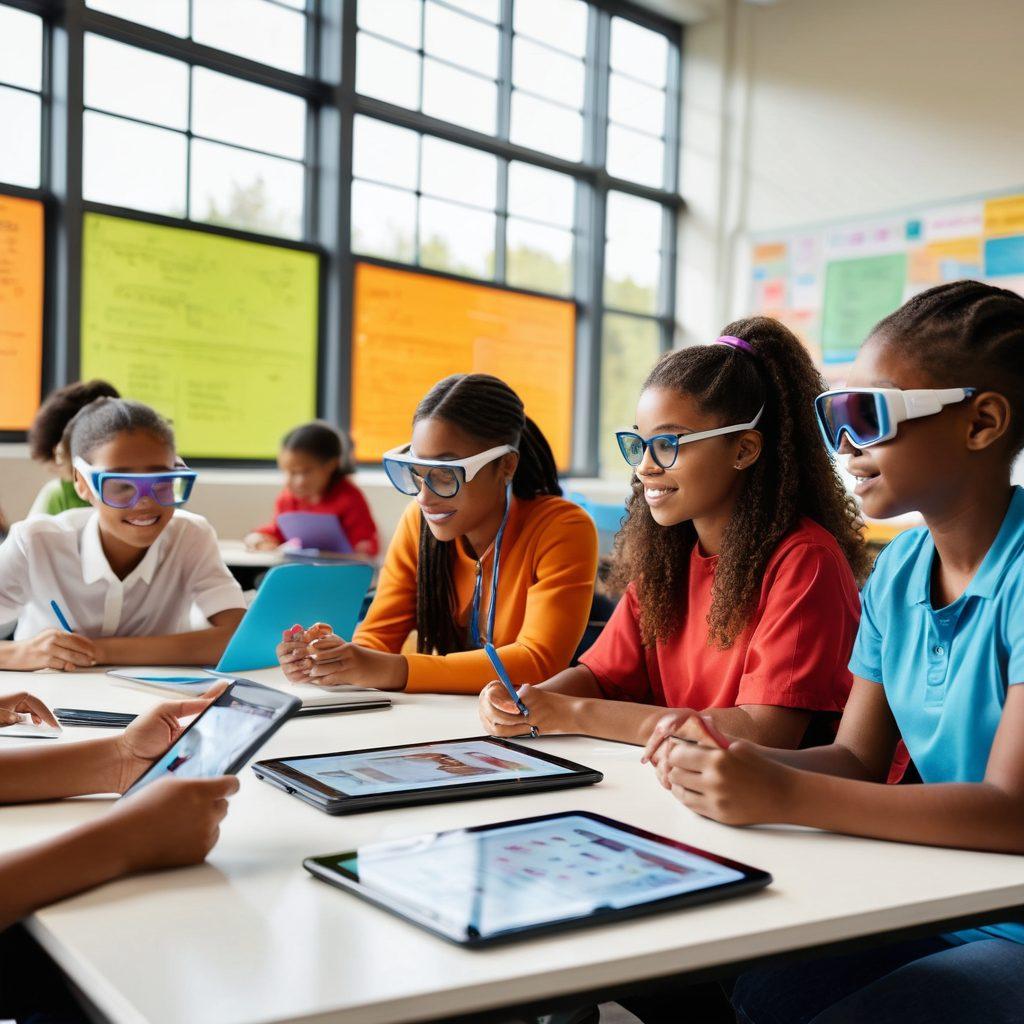
With the rise of distance learning, especially post-pandemic, the curriculum has been transformed to include a plethora of digital educational tools. Have you ever wondered how lesson plans can be adapted to engage students in a virtual environment? By incorporating interactive elements like quizzes, video instructions, and discussion forums, educators can create an immersive experience that maximizes engagement. For instance, concepts that were once boring can be brought to life through gamified assessments and collaborative projects, encouraging students to connect and dive deeper into their subjects.
Let's talk about how these e-learning tools can even assist with tutoring and homework help. Picture a student struggling to grasp a complex topic in their academic program. With access to online tutoring platforms and educational resources, they can receive personalized instruction that caters specifically to their needs. This tailored approach not only aids their comprehension but also fosters a love for learning. It's about empowering students by giving them the keys to unlock their potential, making knowledge more accessible than ever before.
In essence, the advent of e-learning tools has opened up a treasure trove of possibilities for enhancing student engagement. Whether it’s through interactive revision materials, dynamic course content, or comprehensive assessments, these innovations empower both educators and students in unmatched ways. So let’s ask ourselves: how can we continue to integrate these incredible educational tools into our academic structures effectively? The future of education lies in our hands, and it’s time to embrace the revolution that e-learning brings!
Empowering Scholars: A Comprehensive Look at Innovative Educational Resources
Imagine a world where every scholar has access to exceptional tools that empower them to truly grasp their academic potential. In a time when education continuously evolves, particularly through the integration of e-learning resources, the possibilities for student engagement are limitless. The modern academy is no longer confined to traditional classrooms and rigid curricula; instead, it embraces educational resources that foster collaboration, innovation, and interactive learning. This blog will take you on a journey through some innovative educational tools that not only inspire scholars but also redefine the way we approach knowledge acquisition, training, and academic programs.
One of the most compelling aspects of e-learning is its ability to break barriers. Distance learning allows students from diverse backgrounds to access high-quality instruction that might not be available to them otherwise. As the poet Rainer Maria Rilke once said, 'The only journey is the one within.' With the right educational tools, scholars can explore their subjects deeply and personally, molding their coursework and revision materials to suit their learning styles. Have you ever wondered how much better you would have performed in school with interactive learning options at your fingertips?
Let’s delve into some of the innovative educational resources currently transforming the academic landscape. From intuitive lesson plans to comprehensive assessment tools, e-learning platforms provide customized training that caters to individual scholarly needs. Have you ever utilized a platform specifically designed for tutoring or homework help? Programs like these ensure that every learner can find the right support, enhancing not just retention of information but also engagement with classmates and instructors. When academic programs integrate such tools, they foster an environment for collaboration and deeper understanding—imperatives for any successful curriculum.
Engagement isn't just about having access to the latest gadgets or snazzy school supplies; it’s about creating a connection with learning materials. Innovative e-learning tools prioritize the student's experience, making classes more relatable and less daunting. Remember the last time you lost yourself in an intriguing piece of knowledge? That’s the kind of connection scholars must feel with their educational resources. By using gamification, interactive assessments, and multimedia learning experiences, educators can elevate foundational concepts into engaging journeys that stimulate curious minds.
To truly empower scholars, it’s critical to remain adaptive to the changing landscape of education and continuously seek new instructional methods. The education of tomorrow is a blend of traditional wisdom and futuristic insights. As we look toward the horizon of academic experiences, let’s embrace the endless opportunities e-learning offers. It’s not just about passing exams; it’s about fostering a lifelong love for learning within every scholar. So, let’s challenge ourselves: how can we, as educators or engaged participants in the academic community, better utilize these resources to create an enriched learning environment?
Transforming Curriculum: The Role of Interactive Learning in Modern Academia
In the fast-evolving world of education, the term 'interactive learning' has increasingly become a vital part of the conversation on how to engage today's scholars. Imagine walking into a classroom where the walls are no longer barriers, but portals to a world of knowledge! This transformation, powered by innovative e-learning tools, is redefining what it means to educate and be educated. In modern academia, it's not just about delivering information; it's about creating an immersive experience where students genuinely want to learn, share, and grow. What if we could build a curriculum that sparked curiosity instead of compliance?
Interactive learning marries technology with pedagogy, bringing forth educational tools that can revolutionize the traditional curriculum. When students engage in their coursework dynamically, the lessons come to life. Think about it: gone are the days when students were merely passive recipients of tuition. Instead, they participate in learning experiences via interactive simulations, discussion forums, and collaborative projects that extend beyond conventional school supplies. Best practices in modern training dictate that lesson plans must incorporate aspects of gamification, multimedia resources, and real-time feedback. How could we improve student engagement if we embraced these contemporary techniques?
Take, for instance, the burgeoning field of distance learning—an area that has witnessed tremendous growth in recent years. With the help of e-learning platforms and cutting-edge educational resources, students can access a plethora of revision materials, assessments, and even homework help from anywhere in the world. A scholar in a remote village can now connect with academic programs from prestigious institutions, ensuring they have the same opportunities for quality instruction as their urban counterparts. Does this not paint a promising picture for the future of education?
Storytelling is a powerful method that can turn any curriculum into an emotionally engaging experience. When educators weave narratives into their teaching, they foster a sense of connection among scholars. By allowing students to see themselves in the lessons—whether through relevant literature, historical events, or relatable characters—they can better understand the significance of the knowledge being imparted. Imagine the excitement in classes where students not only learn about the past but also participate in reenactments, gamified quizzes, and project-based assessments! How might this transformation nourish critical thinking and creativity among our future leaders?
Ultimately, the goal is to empower students to take charge of their learning. By utilizing innovative e-learning tools that encourage independent study and mentorship, we pave the way for a generation that values lifelong learning. From tutoring systems that provide personalized support to collaborative platforms that foster peer review, the avenues for growth and intellectual engagement are vast. As we stand on the brink of this new educational frontier, let's ask ourselves: Are we ready to embrace a future where interactive learning shapes the scholars of tomorrow?